Brgo El Naggar
Brgo El Naggar
Details:
b. 1939, Monufia, Egypt
Passed away in 2018
Connect:
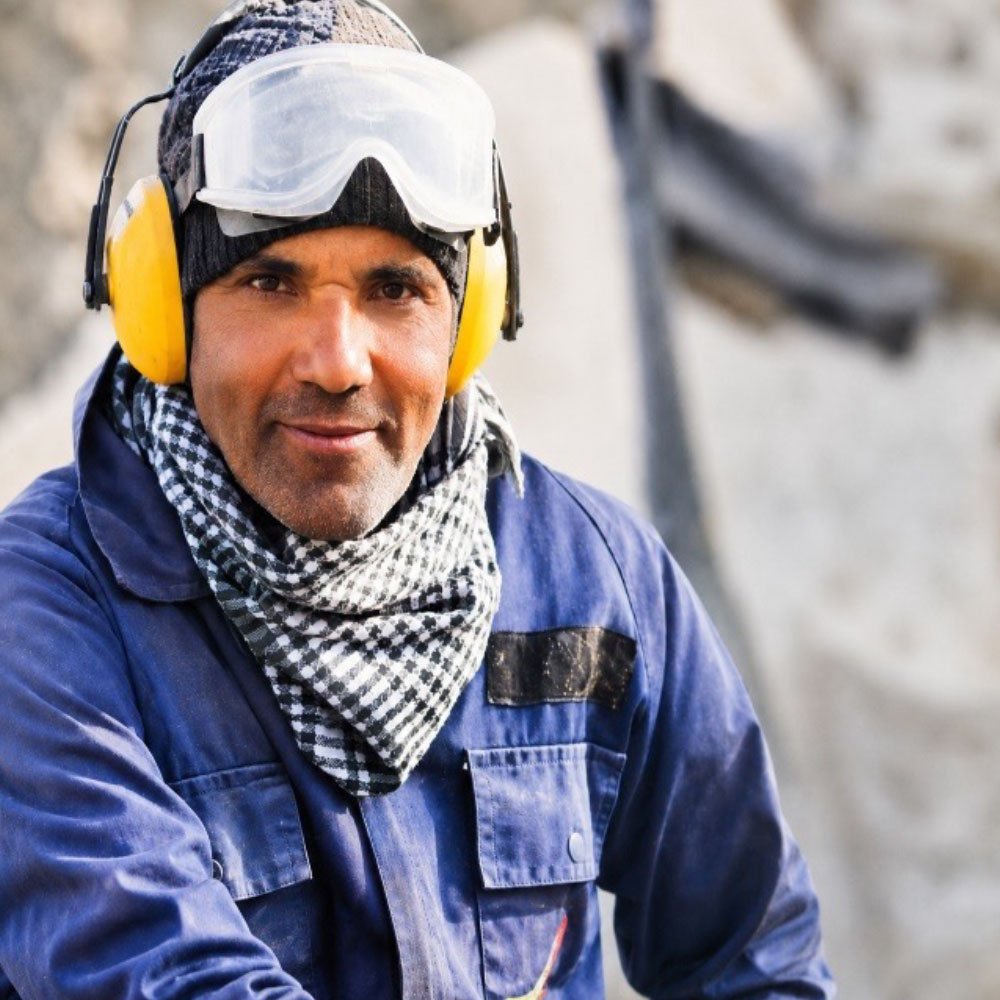
Brgo Elnaggar has worked in the management and production of artistic projects for a number of prominent Egyptian sculptors. Through more than twenty
five years of professional practice, he has acquired extensive technical expertise in sculpture
EDUCATION
Faculty of Art Education, Helwan University, Egypt, 1993
GROUP EXHIBITIONS
2025
- Parallel Frames, Cairo Opera House, on the sidelines of the Cairo International Film Festival, Egypt
- Absent Color, Ezel & Camera Art Gallery, Egypt
2024
- The 44th General Exhibition, Egypt
SYMPOSIUMS & WORKSHOPS
2024
- Sculpture Workshop, Aswan International Sculpture Symposium, Egyp
COLLECTIONS
Works held in private collections.
Statement:
In my sculptural practice, I explore the relationship between mass and void, gravity and balance,
presence and absence. I am interested in the hidden forces that shape form and determine how a sculpture occupies space.
Working with figurative and abstract forms in resin and bronze, I seek to create compositions that appear suspended between stability and movement. My work is rooted in a long technical experience with sculptural construction, molding, casting, and structural systems, which has gradually evolved into a deeper artistic investigation of tension, equilibrium, and spatial freedom.
For me, the void is not an empty surrounding space; it is an active element that participates in shaping meaning. Through this dialogue between solid form and invisible force, I aim to invite viewers into a contemplative experience where sculpture becomes both physical presence and spatial illusion
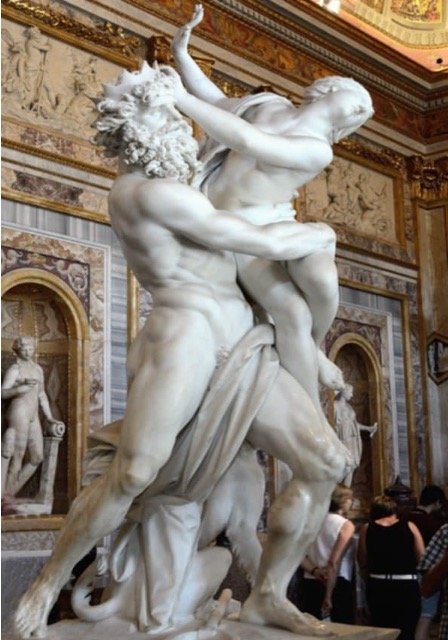
This artwork is part of a project inspired by iconic figures from Egyptian cinema, reinterpreting cinematic characters through a simplified and abstract sculptural language that evokes their lasting presence in Egypt’s collective memory rather than their physical likeness. In this piece, the artist engages in a dialogue with Bernini’s The Abduction of Proserpina, preserving its dynamic composition while reimagining it through the context of the Egyptian film The Second Wife. By merging a classical sculptural reference with a distinctly Egyptian narrative, the work explores universal themes of power, oppression, and resistance, demonstrating that artistic reinterpretation can transform familiar sources into expressions of a contemporary Egyptian identity.
Exhibitions